How Much Does a Contractor Website Cost in Real Terms? What Changes the Price
@tradeguide841
October 15, 2026 · 12 min read
If you ask ten contractors what a website should cost, you will hear ten different answers, and most of them will sound reasonable. One company paid almost nothing because they built it themselves on a website builder. Another spent a few thousand with a freelancer. Another hired an agency and treated the site like a full sales tool, not just an online business card. All three can be valid choices.
That is why the real question is not simply how much does a contractor website cost. The better question is what are you actually paying for, what are you trying to get back from it, and what will it take to keep the site working once it goes live.
A contractor website is rarely just a design expense. It is a lead generation tool, a trust builder, and often the first impression a homeowner gets before they ever call. If the site is slow to update, confusing on mobile, or weak on basic information, it can quietly cost you jobs. If it is built well, it can support your sales process every day without needing constant attention from you.
The cheapest website is not always the lowest-cost option
A lot of owners focus on the upfront number because that is the easiest number to compare. That makes sense. Cash flow matters. But websites have a habit of charging you twice when you buy the wrong thing the first time.
A cheap DIY build can be perfectly fine if your main goal is a clean online presence with contact information, service pages, and a basic way for customers to reach you. For a newer contractor or a very small operation, that might be enough. There is nothing wrong with using the best website builder for contractors if the scope is simple and the owner is willing to handle setup, content updates, and routine maintenance.
That said, low upfront cost often means more of your own time. You are the one choosing templates, loading photos, updating text, checking mobile layouts, and figuring out why one page looks off on a phone. If you enjoy that work, or at least tolerate it well, a builder can be a smart entry point. If you hate it and keep pushing it off, the true cost rises quickly.
I have seen plenty of contractor sites that were technically inexpensive to launch but expensive to live with. They sat half-finished for months. Service areas were missing. Photos were outdated. The quote form sent leads to an email nobody checked regularly. On paper, the site was cheap. In practice, it was leaking opportunity.
What actually changes the price
Website pricing varies because the final cost is tied to decisions, not just design. The path you choose matters as much as the site itself.
Here are the biggest cost drivers:
-
Who builds it
A do-it-yourself build is usually the most budget-friendly option. A freelancer adds project fees for design and setup. An agency typically costs more because it may include broader strategy, custom development, and more complex work. -
How custom the site needs to be
A simple brochure-style site costs less than a tailored site built around specific services, lead flows, and customer questions. -
How much content is involved
A five-page site is one thing. A site with many service pages, location pages, and project examples is another. -
What happens after launch
Hosting, security, backups, updates, and support all add value, and they also affect price. Managed website for small business plans often wrap those into one recurring fee.
-
Whether the site needs a redesign or a rebuild
A contractor website redesign may be a light refresh, or it may expose deeper issues that push the project toward a full rebuild.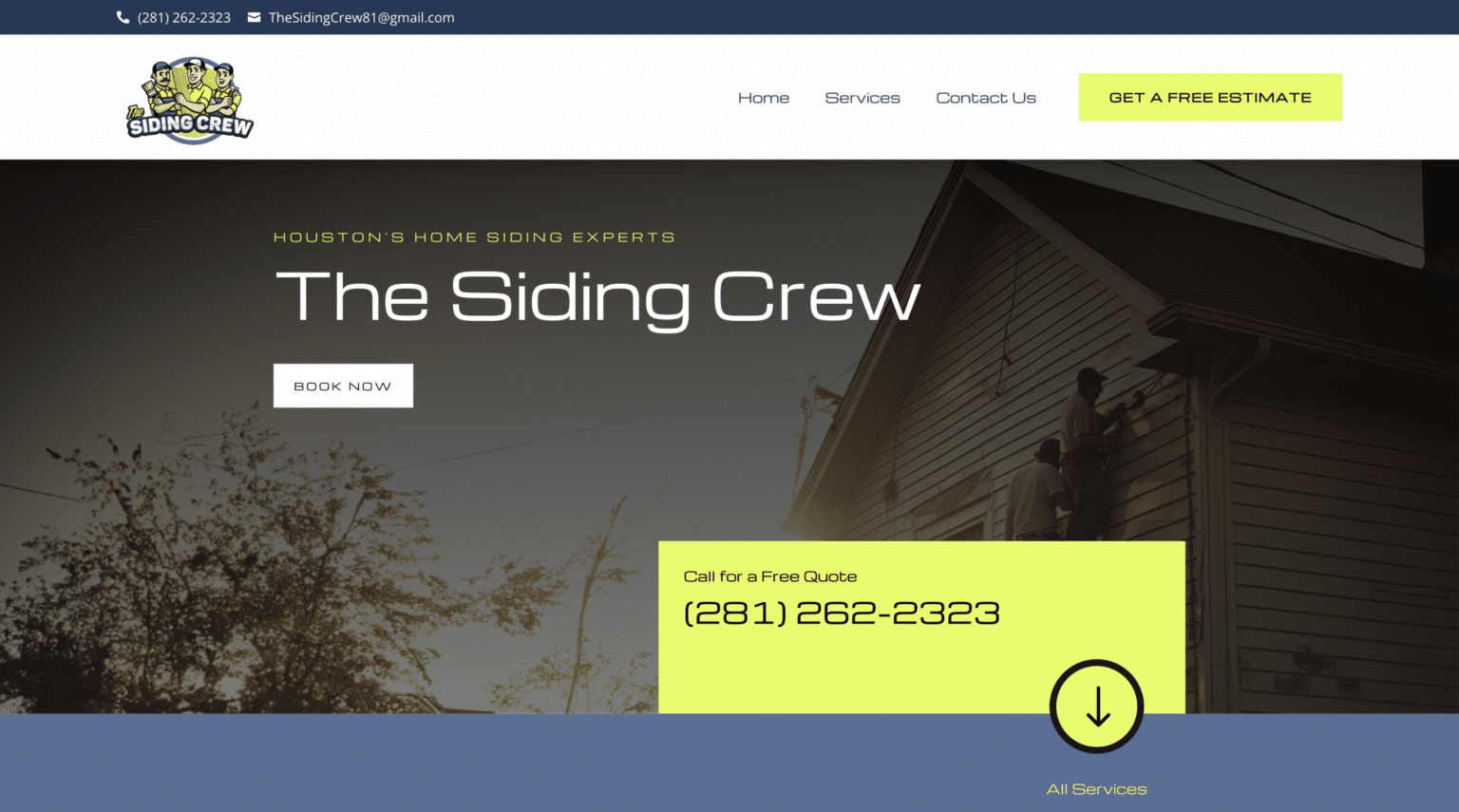
Those are the real levers. The market does not have one fixed rate because contractors do not all need the same thing.
DIY, freelancer, agency, or managed service
This is where pricing starts to make sense. The delivery model shapes the budget, the timeline, and your level of involvement.
A DIY builder is the lowest-cost path in many cases. That is why so many small businesses start there. If you mainly need a credible online presence, current contact details, and a basic lead form, it can do the job. The trade-off is that you become the project manager, editor, and maintenance team. For some owners, that is acceptable. For others, it is exactly the kind of side task that never gets finished properly.
A freelancer sits in the middle. A good web designer for contractors can handle design, setup, and useful custom touches without the full cost of an agency. This route often works well when you want a site that looks more polished than a DIY template but do not need a large strategic build.
An agency tends to make more sense when the job calls for broader strategy or more complex functionality. If the website is expected to support multiple services, stronger lead funnels, or a more customized structure, agencies are often brought in for that level of work. That is also where project fees can move from the low thousands into much higher territory.
Then there is the managed model. This option is less about owning a one-time website project and more about paying for a working website plus the support around it. Managed plans usually bundle hosting, security, backups, updates, and support. That matters more than many contractors realize, because the expensive part of a website is often not launch day. It is everything after launch that no one wants to think about until something breaks.
Why ongoing costs matter more than owners expect
A website is not a sign you hang once and forget. It is software, content, hosting, and customer experience rolled into one business asset. If it is neglected, trust slips.
Google has been clear on the basics that make business websites useful: keep content current, make the site mobile-friendly, and show contact information prominently. Those are not advanced ideas, but they get missed all the time. A contractor changes service areas, phone numbers, office hours, or pricing language, and the site lags behind. Suddenly the website is telling customers one thing while the business is doing another.
This is where recurring cost can actually save money. A managed website for small business is often attractive because it shifts technical upkeep off the owner’s plate. Hosting, security updates, backups, and support are not flashy, but they keep the site healthy. If your choice is between a cheaper site you ignore and a managed site that stays current, the managed option can be the better value.
There are companies built around this model. Scalable Websites, based in Houston and serving contractors nationwide, is one example of a managed provider offering professionally designed subscription websites with hosting, security, unlimited updates, a dedicated project manager, and quick launches. For the right contractor, that kind of setup removes a lot of friction.
The number of pages is not the whole story
Contractors often ask for a price and then immediately ask how many pages they get. That is understandable, but page count alone can be misleading.
A basic site with a homepage, about page, service page, gallery, and contact page may be enough for a straightforward operation. But cost rises when the site needs to speak clearly to multiple services or specialties. A home remodeling website design usually needs a different structure than a mold remediation website design, because the customer questions, urgency, and trust factors are different. The same goes for flooring contractor website design compared with dock builder website design.
Specialty contractors often need content that is more specific than they first assume. A company focused on pool screen enclosure website design needs different imagery and messaging than one doing concrete coating website design or epoxy flooring website design. Even when the visual polish looks similar on the surface, the work underneath changes. The site has to explain the service in a way that makes a prospect feel, “Yes, this company does exactly what I need.”
That extra clarity can justify a higher cost because it is directly tied to conversion. A generic service page may be cheaper to produce, but it often performs like generic marketing, easy to skim, easy to forget.
Design matters, but conversion matters more
Many contractors judge websites by whether they look modern. Customers do care about appearance, but the strongest sites do more than look clean. They make it easy to take the next step.
A good contractor website should help a visitor answer basic questions quickly. Do you serve my area? Do you do this type of job? Can I trust you? How do I contact you? Can I do that easily from my phone?
That is why a conversion page matters. Google defines it in practical terms: it is a page someone reaches after completing an action you value. For a contractor, that could mean submitting a form, requesting an estimate, or making a call. The site should be built around those moments, not just around aesthetic preferences.
I have seen owners spend heavily on flashy design while hiding the phone number, burying the contact form, or forcing users to dig through vague pages. That is backwards. A simpler site that makes customer tasks obvious often outperforms a prettier site that creates friction.
When a contractor website redesign is worth it
Not every website problem calls for a full rebuild. Sometimes a contractor website redesign is enough. Other times, redesign is just a polite word for starting over.
The warning signs are usually obvious once you stop looking at the site as the owner and start looking at it as the customer. If information is outdated, if navigation feels clumsy, if contact details are hard to find, or if the mobile experience is poor, trust drops fast. Outdated pricing or announcements can make the whole company look inattentive. A weak mobile experience is especially damaging because many home-service searches happen on phones.
A redesign can be the right move when the business itself is solid but the presentation is behind. Maybe your branding feels dated. Maybe your service pages no longer reflect the work you want more of. Maybe the site was built years ago for one version of the company and the business has outgrown it.
A rebuild is more likely when the platform is limiting you, the structure is confusing, or updates have become difficult and inconsistent. That is often the moment when owners realize they do not just need prettier pages. They need a better system.
What a realistic budget conversation sounds like
Contractors deserve straight answers here. There is no single correct price for a contractor website. Reputable platforms and industry sources all point to https://contractorswebsiteguide256.summitquill.com/posts/how-to-get-more-leads-for-contractors-in-2026-with-a-website-built-for-local-search the same basic truth: pricing varies widely based on design, features, functionality, and maintenance.
That means a useful budget conversation should sound less like “What is your website package?” and more like “What are we trying to make this site do?”
If the goal is simple credibility and lead capture, a DIY route or simpler professional build might be enough. If the goal is stronger differentiation, more tailored service pages, or better support after launch, the number rises. If the site needs broader strategy or complex functionality, it rises again.
That is not a pricing trick. It is just scope.
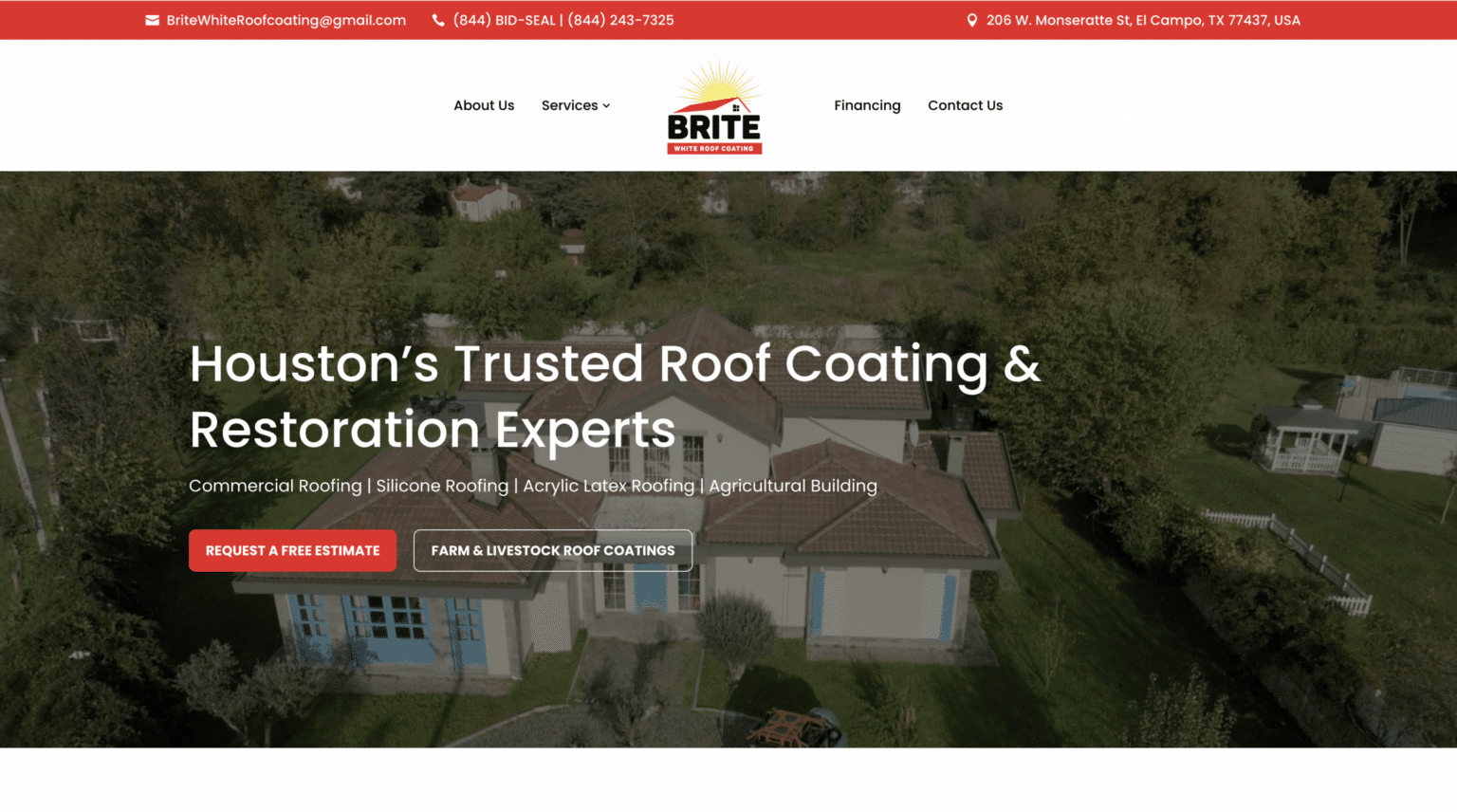
The contractor who only needs a polished online presence should not be pushed into an oversized agency engagement. At the same time, the contractor who wants the site to support real growth should not assume the cheapest option will get them there.
Choosing the right path for your business stage
The best choice depends on how your business runs today.
A solo or very small shop may do well with a builder if the owner is disciplined enough to keep content current and make the site useful on mobile. For that business, the best website builder for contractors is often the one that keeps things simple enough to actually launch and maintain.
A growing company that wants a more polished result but still needs to watch budget may be better served by a freelancer. A skilled web designer for contractors can bridge the gap between budget and professionalism.
A larger or more specialized company may need an agency or managed provider, especially if the website is expected to support multiple services, stronger conversion pathways, and consistent upkeep. That is where convenience and support stop being luxuries and start becoming operational necessities.
A quick way to tell if you are underinvesting
Here is a simple test. Open your website on your phone and ask a few blunt questions.
- Is it obvious what you do within a few seconds?
- Is your contact information easy to find without scrolling around?
- Does the site feel current and accurate?
- Can a customer quickly figure out whether you serve their area?
- Is the next step clear if they want an estimate?
If the answer to several of those is no, the problem is no longer cosmetic. The website is likely costing you opportunities, and that should change how you think about budget.
The real price is tied to the result
The contractor website cost that matters most is not just the invoice. It is the combination of launch cost, upkeep, your own time, and what the site helps you win or lose.
A low-cost website can be smart. It can also be expensive in disguise if it remains outdated, unsupported, or hard for customers to use. A higher-cost website can be wasteful if it is overbuilt for your actual needs. The goal is not to spend more. The goal is to spend in a way that matches the role the website plays in your business.
If your site is mainly there to confirm you are legitimate and give people a way to reach you, keep the build practical. If it needs to become a stronger sales tool, invest accordingly. If you know you will never have time to manage updates, hosting, backups, and support yourself, a managed website for small business may be the cleanest answer.
That is the real pricing conversation. Not “What is the cheapest contractor website?” but “What kind of website will this business actually use, maintain, and benefit from?”
Once you answer that honestly, the numbers get much easier to understand.